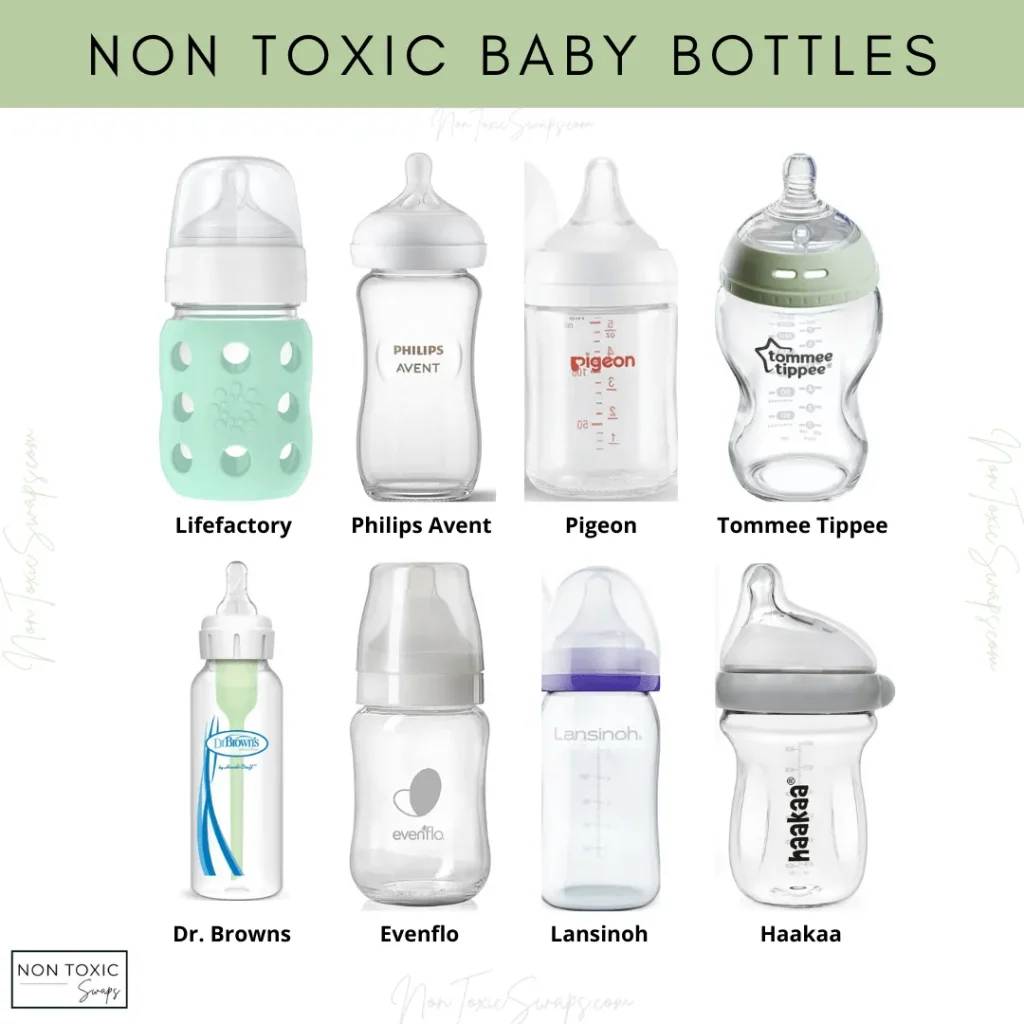
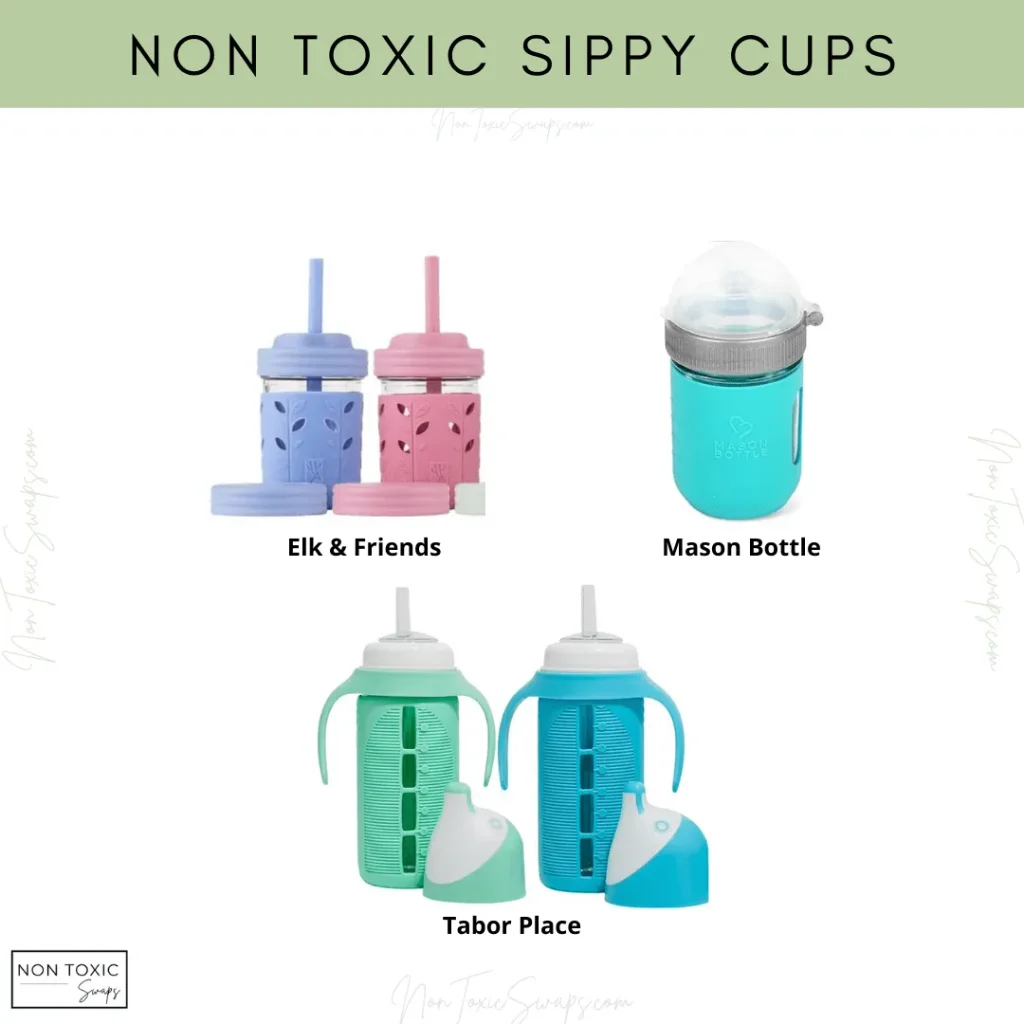
Switching to glass baby bottles is a simple way to cut your baby’s exposure to microplastics. Polypropylene baby bottles can shed millions of microplastic particles per liter, more with hot water, while glass doesn’t. Glass is a non-porous, chemical-free material that ensures no harmful substances leach into milk or formula, providing peace of mind for parents. By choosing durable, high-quality glass bottles, you can prioritize your baby’s health while also making an eco-friendly choice.
DISCLAIMERS:
As an Amazon affiliate, we may earn from qualifying purchases.
The information provided here is for general informational purposes only and does not constitute medical advice. Always consult with a qualified healthcare professional for any health concerns or before making any decisions related to your health or treatment.
Information provided in this post is updated as of the date of the post. Brands may reformulate products after the date of this post. Check back for updates.
What to Know About Baby Bottles
Material
Where you’ll find it
Why it matters
Polypropylene plastic (PP, recycling code 5)
Most plastic baby bottles
Polypropylene baby bottles can shed millions of microplastic particles per liter, more with hot water; effects on infants aren’t yet studied.
BPA (bisphenol A; polycarbonate, code 7 “PC”)
Older polycarbonate bottles
A plastic chemical the EU banned from food contact materials in 2025 over immune-system effects; FDA still considers approved uses safe.
Materials to look for: Glass bottles are ideal because glass doesn’t shed microplastics the way polypropylene bottles can. Keep in mind the outer components of baby bottles will likely include plastic and/or silicone parts.
Sleeves: Glass bottles with silicone sleeves are ideal because the sleeve protects the glass in case it’s dropped.
Avoid plastic: Polypropylene baby bottles can shed millions of microplastic particles per liter, and sterilizing or using hot water increases it; whether that harms infants hasn’t been studied yet. US baby bottles no longer use BPA.
US baby bottles no longer use BPA, but polypropylene baby bottles can shed millions of microplastic particles per liter, and sterilizing or using hot water increases it. Whether that harms infants hasn’t been studied yet.
Are glass baby bottles better?
Glass isn’t plastic, so it doesn’t shed microplastics. A silicone sleeve protects the glass in case it’s dropped.
Final Thoughts
Glass bottles with silicone sleeves are the simplest swap if you want to avoid microplastics. Pick a set from the list above. Setting up the nursery too? See our Non Toxic Baby Crib Essentials guide.